Skinhug team

Newborn skin peeling and flaking in the first weeks is usually completely normal. Here's why it happens, when it's nothing to worry about, and how to care for it gently.
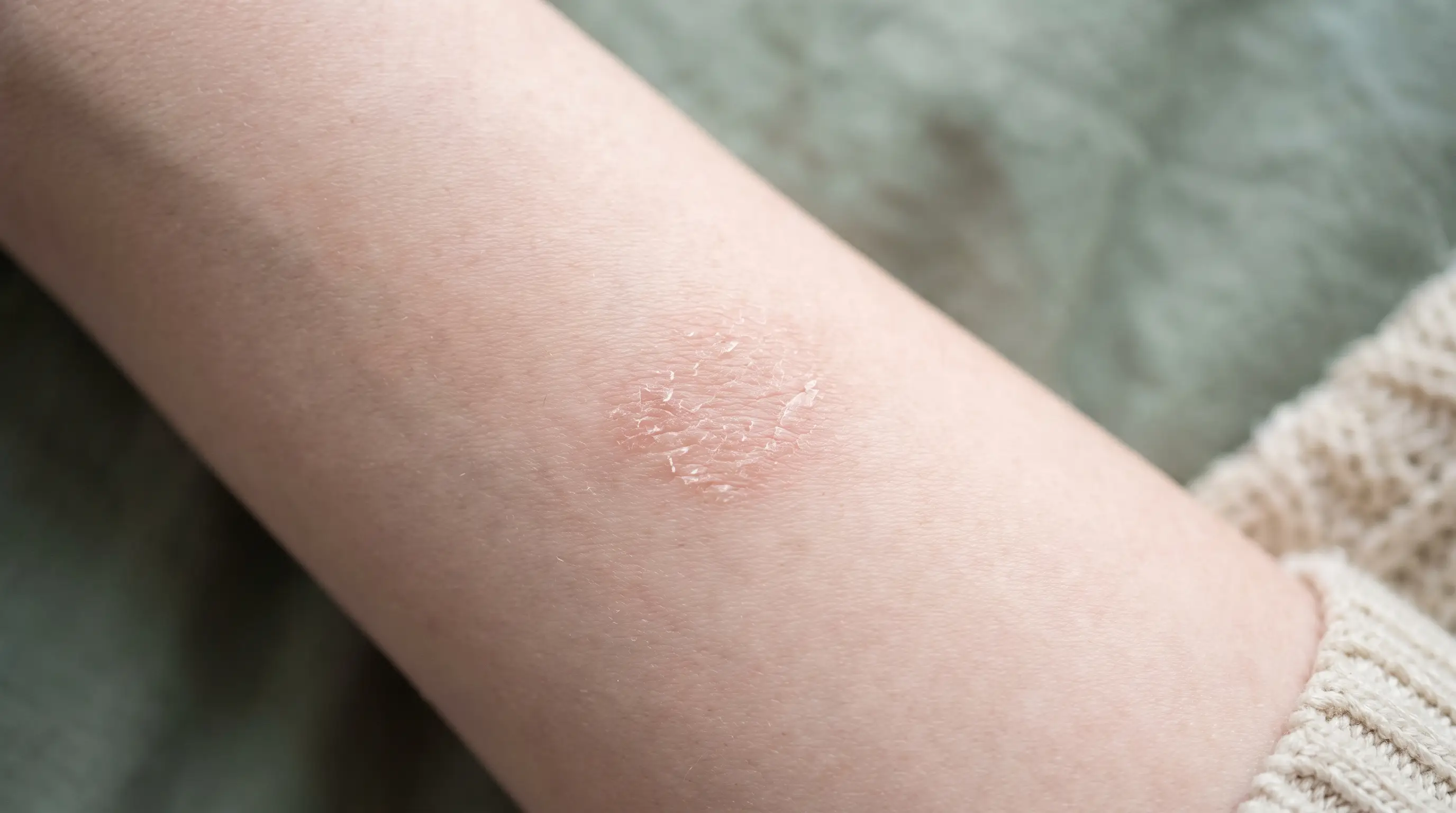
Answer first: yes, peeling and flaking newborn skin is usually completely normal. It is very common in the first few weeks, as your baby's skin gets used to life outside the womb. In most cases it needs very little from you, and often nothing at all.
Still, it can look alarming the first time. Here is what is going on and how to help if you want to.
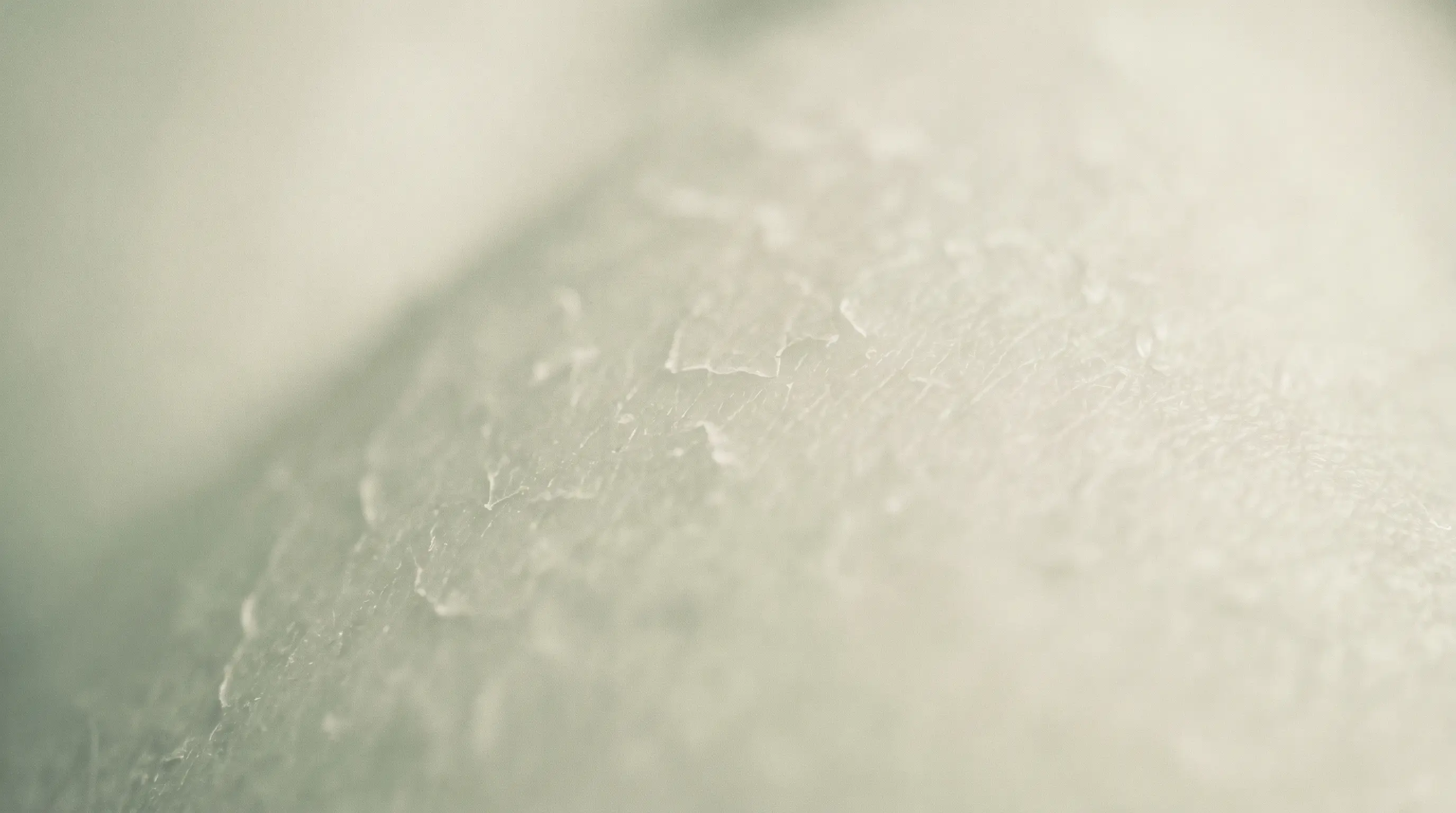
Before birth, your baby was surrounded by fluid and coated in a protective layer called vernix. As that gradually wears away after birth, the outer layer of skin can flake off. Babies born after their due date often peel a little more. For most babies it is simply the skin settling in, not a sign of dryness or a problem. Peeling shows up most on the hands, feet, and ankles, and usually eases within a few weeks.
When in doubt, a quick check with your pediatrician is always reasonable.
Let it do its thing. You do not need to peel, pick, or rub the flakes off. They will come away on their own.
Keep baths short. A few minutes in warm, not hot, water. Over-bathing can dry the skin more.
Moisturize lightly if you like. If the skin looks dry, a small amount of a fragrance-free moisturizer or a gentle baby oil on damp skin after a bath can help it feel comfortable. A little goes a long way.
Skip the extras. No fragranced lotions, no scrubbing, no essential oils on newborn skin.
If you are wondering whether oil is suitable this early, we wrote about that here. And for the bigger picture of what a newborn actually needs, see our newborn skincare checklist.
Newborn skin is doing a lot of adjusting in those first weeks, and peeling is part of it. Patch test any new product first, use only a little, and check with your pediatrician if your baby's skin is very sensitive, cracked, or you are just not sure. There is no such thing as a silly question when it is your newborn.
Yes, in most cases. Light peeling and flaking are common in the first few weeks as your baby's skin settles in, and it usually needs little or no treatment.
No. Cradle cap is greasy, yellowish flaking on the scalp. General newborn peeling is dry-looking flaking on the body, often on hands and feet. They are different, and both are usually harmless.
Usually a few weeks as the outer skin sheds and settles. If it goes on much longer, worsens, or the skin looks irritated, check with your pediatrician.
Not necessarily. Early peeling is usually just shedding, not dryness. If the skin also looks or feels dry, a little fragrance-free moisture on damp skin can help.
A small amount of gentle, fragrance-free oil on slightly damp skin after a bath can help if the skin looks dry. Patch test first and avoid broken or irritated skin.

Now available on Shopee, Thaimart, Tiktok and LINE