Skinhug team

What skincare does a newborn actually need? Usually far less than you think. A simple checklist of what to have, what's nice to have, and what to skip for baby's skin.
Answer first: a newborn's skin does not need a long routine. For most healthy babies the useful list is short, a gentle way to clean, a little moisture when skin feels dry, care for the diaper area, and sun protection once your baby is old enough. Almost everything else is optional or can be skipped.
That is the short answer.
Here is the version that actually helps when you are standing in the baby aisle at 2am.
A newborn's skin is still settling into the world. Its protective barrier is developing, and in the early weeks it usually does best with as little interference as possible. That is why less is more is real advice here, not just a nice phrase. A short, simple routine with fragrance-free products is gentler on delicate skin than a shelf full of specialized ones.
So before the checklist, the mindset: you are not building a spa routine. You are keeping things clean, comfortable, and calm.
Here is what tends to actually matter, what is nice to have, and what most families can skip.
Notice how short the need column is, and how much lives happily in skip. That is completely normal.
A gentle way to clean. For everyday, plain warm water is often enough. A mild, fragrance-free baby wash helps on the messier days. Keep baths short and comfortably warm rather than long and hot.
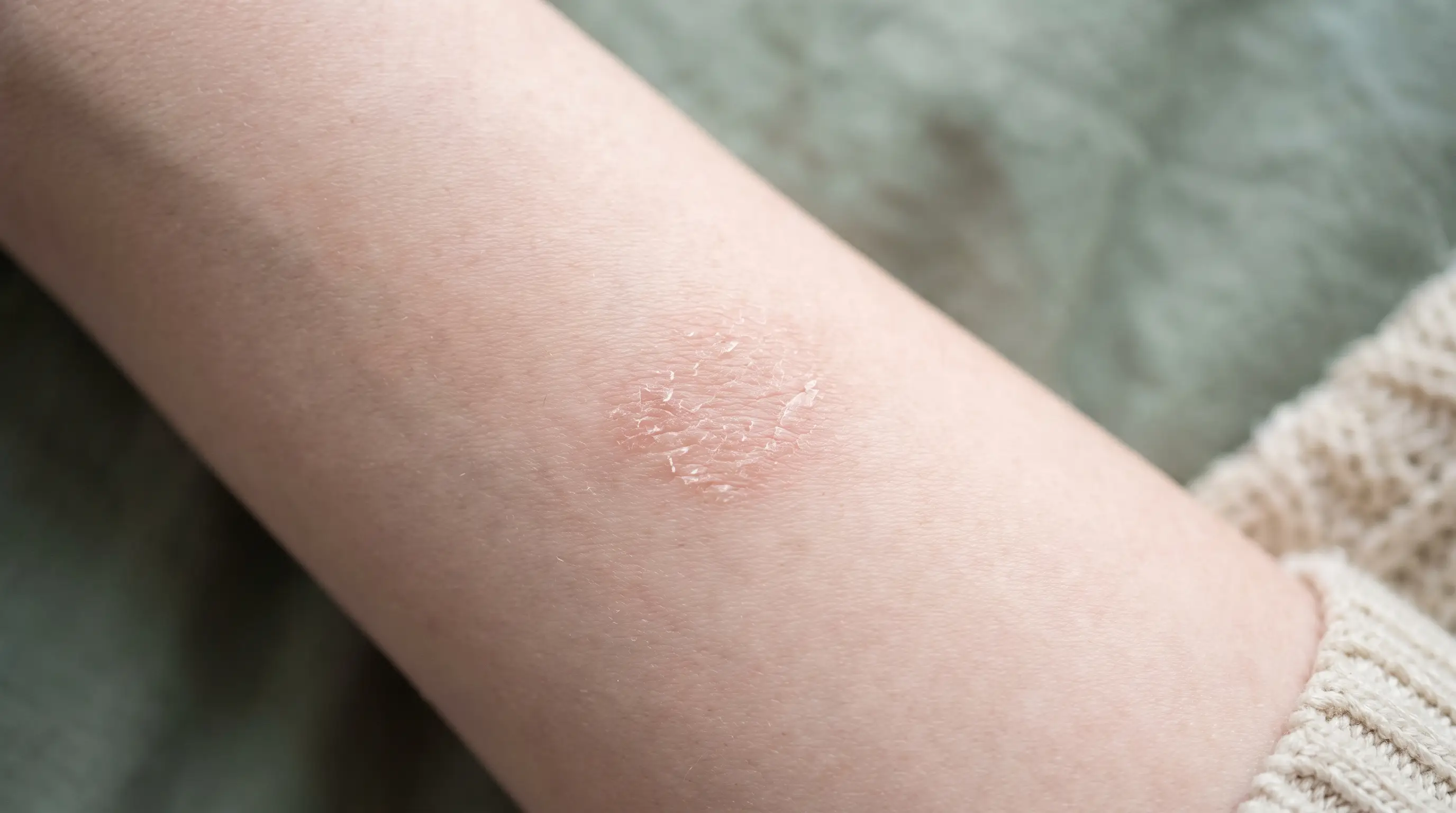
Moisture when skin feels dry. Newborn skin does not always need daily moisturizer, but when a patch looks or feels dry, a simple fragrance-free moisturizer or a light oil helps. Applying it while the skin is still slightly damp after a bath works best.
Diaper-area care. Regular changes, gentle cleaning, and a barrier product when needed. This is more about routine than a long product list.
Sun protection, once age-appropriate. For young babies, shade and clothing are the main tools. Sunscreen is usually introduced later, often around 6 months, so check with your pediatrician before using it on a newborn.
A lightweight baby oil belongs here rather than in the need column. It is genuinely useful for gentle baby massage, for after-bath moisture, and for the odd dry patch, but it is a helper, not a requirement. If you use one, a fragrance-free, plant-based one keeps things simple. A soft washcloth and an unscented laundry detergent round out the nice-to-have list.
Added fragrance and baby scent do not give skin any benefit, and for delicate or reactive skin they are just one more thing to react to. The same goes for essential oils. Scrubs and exfoliants are not for newborn skin. And strong active ingredients, the kind that belong in an adult routine, are unnecessary here. A shorter list is not a compromise. For newborn skin it is usually the better choice.
You do not need to memorize cosmetic chemistry. A few quick checks go a long way: look for fragrance-free rather than just unscented, a short and understandable ingredient list, and no added essential oils. If the front label promises a lot but the back is long and complicated, it is usually fine to put it back. For more on this, see what baby skin actually needs.
Every baby is different, and newborn skin especially. For very young, very sensitive, or irritated skin, start with a tiny amount of any new product, patch test first, and check with your pediatrician if you are unsure or if something does not look right. If you are wondering whether oil is suitable at all in the first weeks, we wrote about that here.
Usually just a gentle way to clean, a simple moisturizer or light oil for dry patches, diaper-area care, and sun protection once your baby is old enough. Most other products are optional.
Not necessarily. Many newborns do fine without daily moisturizer. When a patch of skin looks or feels dry, a fragrance-free moisturizer or a light oil helps, ideally on slightly damp skin after a bath.
Fragrance is not necessary for skin, and for delicate or reactive skin it is one more possible irritant. Many parents choose fragrance-free products for newborns to keep things simple.
For young babies, shade and clothing are the main sun protection. Sunscreen is usually introduced later, often around 6 months. Check with your pediatrician before using it on a newborn.
Not always, but gentle, fragrance-free products made with delicate skin in mind are a sensible default. What matters most is a short ingredient list and no added fragrance, rather than the word baby on the front.

Now available on Shopee, Thaimart, Tiktok and LINE