Skinhug team


Is baby oil the same as mineral oil? Not always. Here's the real difference between mineral and plant-based baby oil, and how to tell what's really in the bottle.
Quick answer: No, baby oil is not always the same as mineral oil. Baby oil is a product category, not a single ingredient. Many classic baby oils are mostly mineral oil, a refined petroleum oil, but others are made from plant-based seed oils. The label tells you which one you are holding.
Many classic baby oils are made mostly from mineral oil, but baby oil is a product category, not one single ingredient. Some baby oils are mineral oil-based. Others are made with plant-based oils. The difference is not just marketing. They work differently on skin, feel different in real life, and suit different families.
That is the short answer.
The longer answer starts with a question from my aunt.
In the early days of developing Skinhug, we were handing samples to almost everyone.
One afternoon my aunt looked at my bottle, smiled politely, and held up her longtime favorite baby oil from a big mass-market brand. Easy to find. Familiar. Good for removing makeup too.
She tried my formula on one arm and hers on the other.
“They feel quite similar,” she said. “If they feel similar, why should I pay more for yours?”
That question stayed with me because it was fair.
In the first few seconds on skin, many oils do feel similar. They all look glossy. They all seem to soften skin. But what they are made of, and how they behave over time, can be very different.
Not always.
Baby oil is the name of a product category. Mineral oil is one specific ingredient that is very commonly used in that category.
So some baby oils are mostly mineral oil. Some are made with plant-based oils instead. Some include fragrance. Some don’t.
Baby oil is not automatically one thing. The label tells you what kind of baby oil it actually is.
Mineral oil is derived from petroleum and then highly refined for cosmetic use. It is colorless, odorless, stable, and widely used in skincare.
It is very good at forming a protective layer over the surface of the skin. That layer helps slow water loss, which is why skin can feel softer and more protected while the oil is sitting there. This is also why mineral oil shows up so often in traditional baby oils and body products. It does one job clearly and predictably.
That coated, slippery feeling many people associate with classic baby oil is often mineral oil doing exactly what it is designed to do.
What mineral oil usually does not do is bring anything the skin can use as a building material.
It does not naturally provide the fatty acids found in plant oils. It does not contribute plant nutrients. It mostly covers the surface.
For some families, that is enough. For others, especially those who want a more nourishing feel, it may not be what they are looking for.
Plant oils like sunflower seed oil, grape seed oil, cucumber seed oil, and jojoba seed oil often contain naturally occurring fatty acids that skin can recognize and use more actively.
One example is linoleic acid, found in grape seed oil and sunflower seed oil, which is associated with healthy skin barrier function. A skin barrier that holds together well loses moisture less easily and reacts less to friction, dryness, and environmental stress.
So while mineral oil mainly helps by covering the surface, plant oils can soften skin while also offering components that support the skin barrier in a more active way.
That is the key difference.
One mostly covers.
The other can cover and support.
This part gets underestimated all the time.
Mineral oil often leaves a more obvious surface film. That can transfer to clothes, sheets, and anything the skin touches next. In warm weather, a heavy coating can feel less comfortable, especially on a baby who already needs to stay cool.
Plant oils, especially lighter ones, often feel more breathable and easier to live with in everyday use. Not instantly invisible, but usually more comfortable for regular after-bath routines and baby massage.
And that matters, because the best skincare is the one you actually keep reaching for.
Not automatically, no.
Mineral oil is widely used in baby products and has been for a long time. Many families use it without issue. The more useful question is not whether mineral oil is bad, but whether it is the kind of feel and formula your family wants.
Some families prefer mineral oil because it is familiar, simple, and easy to find.
Others prefer plant-based alternatives because they want:
This is not a fear conversation. It is a preference conversation.
Instead of choosing based on branding alone, a few simple questions help.
If mineral oil is listed first, the formula is mainly built around that base. If plant oils are listed first, the formula is more plant-led.
Some baby oils include fragrance or parfum. Others don’t. For delicate skin, this matters.
A heavier oil may be fine for some families. Others prefer something lighter, especially in warm weather.
It does not need to be perfect. It just helps when you know what you are putting on your baby’s skin.
For sensitive skin specifically, the difference matters more.
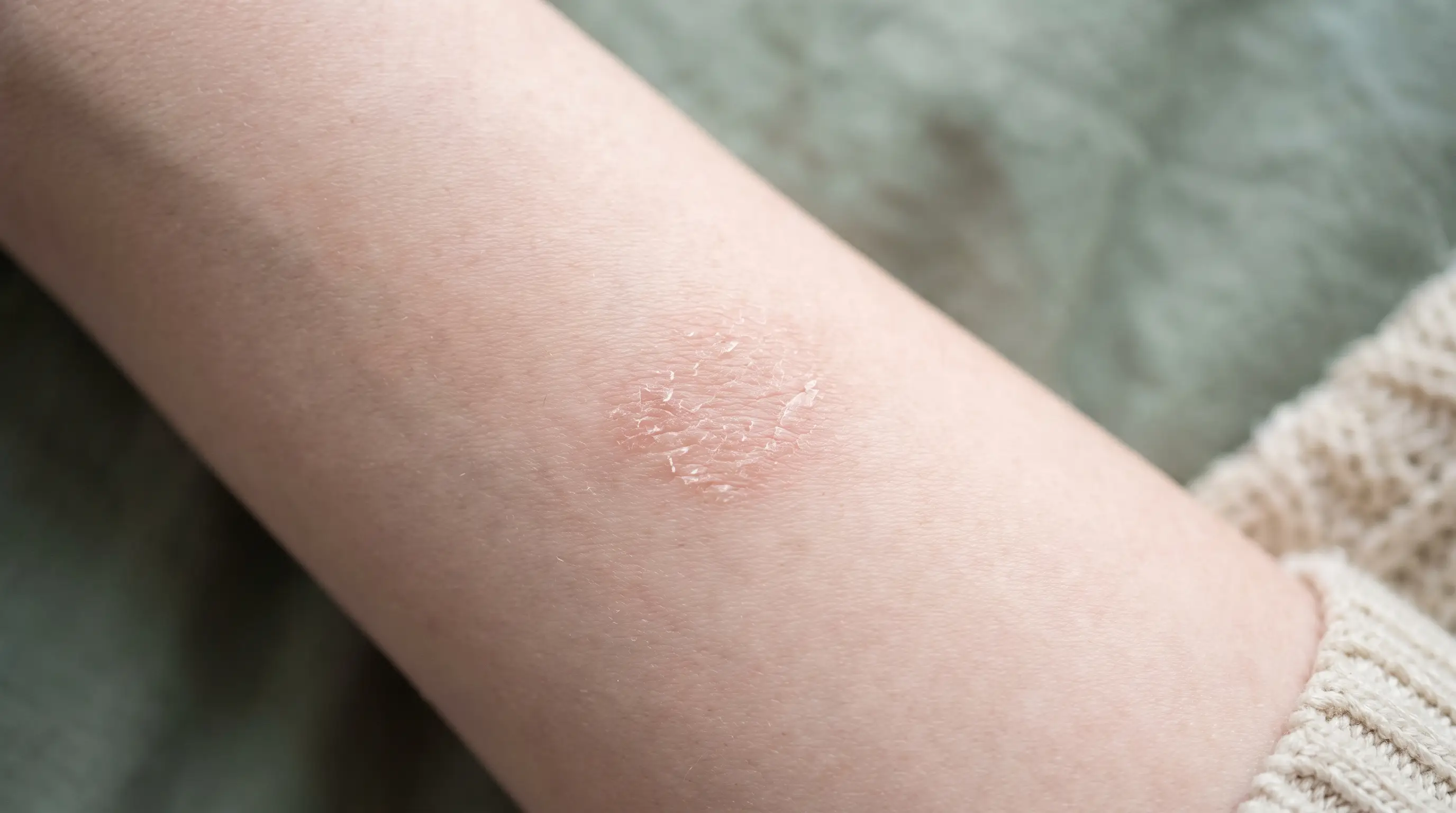
Sensitive skin tends to react more easily to friction, dryness, and unnecessary extras. Mineral oil can help by forming a protective surface layer, but it does not actively support the skin barrier in the same way some plant oils can.
Plant oils that are rich in linoleic acid, like sunflower seed oil and grape seed oil, may feel more compatible with sensitive skin because they offer fatty acids that help support barrier function. A stronger skin barrier loses moisture less easily and reacts less to everyday stress.
For families with sensitive-skin babies or adults, a lightweight baby oil without fragrance and with a simple ingredient list is often the more comfortable choice.
Skinhug Pure Green Nourishing Seed Oil is a plant-based alternative to traditional mineral baby oil. It is made without added fragrance, essential oils, mineral oil, or artificial colorants, and is designed for baby massage, after-bath care, pregnancy belly care, and everyday family skin.
It is not made to argue against mineral oil. It simply offers a different choice for families who want a lighter, plant-based, fragrance-free option.
For newborns, very sensitive skin, or irritated skin, start with a small amount, patch test before wider use, and check with your pediatrician if you are unsure.
Not always. Baby oil is a product category. Some baby oils are made mostly with mineral oil, while others use plant-based oils instead.
Mineral oil mainly helps by forming a protective layer on the skin surface. Plant oils often also contain fatty acids that skin can use more actively, especially for barrier support.
Not automatically. It is widely used and many families have no issues with it. Some families simply prefer plant-based options for a different skin feel or ingredient philosophy.
For many families, yes. Lighter plant oils can feel more breathable and are often better suited to sensitive or reactive skin routines.
Look at the first ingredient, whether fragrance is added, how the texture feels, and whether the formula feels simple and clear.
Yes. Skinhug is made without mineral oil, added fragrance, or essential oils.
| Mineral oil baby oil | Plant-based baby oil | |
|---|---|---|
| Source | Petroleum, highly refined | Pressed from seeds and plants |
| How it works | Sits on top of skin, slows moisture loss | Absorbs in, contains fatty acids skin can use |
| Feel | Slippery, coated | Lighter, less greasy, better in heat |
| Fragrance | Often added | Varies. Skinhug is fragrance-free |
| Best for | Familiar classic feel, makeup removal | Daily massage, after-bath, sensitive skin, warm climates |

Now available on Shopee, Thaimart, Tiktok and LINE