Skinhug team


Baby heat rash is common in Thailand’s heat and humidity. Learn what it looks like, how to care for it gently, what to avoid, and when to see a doctor.
Baby heat rash is common in hot, humid weather, especially when sweat gets trapped under the skin. In Thailand, it often shows up as tiny red or skin-colored bumps in areas that stay warm, sweaty, or covered. Gentle care usually means keeping baby cool, dressing lightly, bathing with lukewarm water, and avoiding thick layers over an active rash. If the rash spreads, blisters, oozes, comes with a fever, or your baby seems unwell, see a doctor.
Baby heat rash, also called prickly heat, happens when sweat gets trapped in the skin instead of reaching the surface normally.
This is why it often appears in hot weather, after sweating, or in places where skin stays warm and covered for too long. Babies get it easily because their skin is delicate, and they can overheat faster than adults.
Heat rash is not the same as infection, eczema, or an allergy. It is usually a climate-and-sweat problem first.
Because Thailand is hot, humid, and sweaty for a big part of the year.
Heat rash becomes more likely when you combine:
Humidity matters because sweat does not evaporate as easily. It stays on the skin longer, especially in folds, under clothes, or in places with less airflow.
That is why even babies who are mostly indoors can still get heat rash in Thailand. Air conditioning helps, but many babies still move between warm rooms, naps, feeds, cuddles, carriers, and outdoor heat throughout the day.
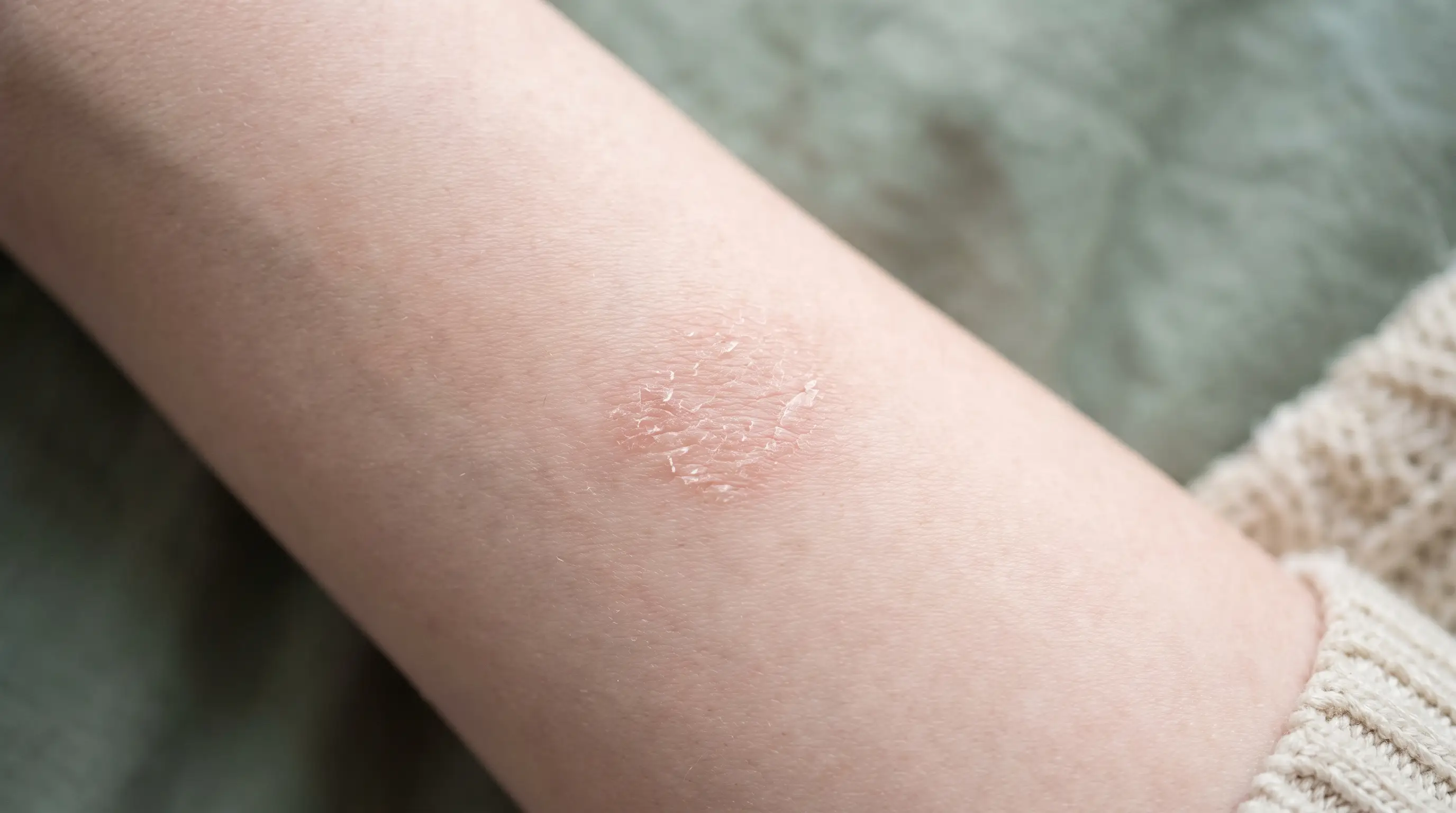
Heat rash often looks like small bumps or tiny raised spots.
Depending on your baby’s skin tone, it may look:
It often shows up on:
Some babies seem unbothered by it. Others look a little itchy, prickly, or uncomfortable.
If you are not sure whether it is heat rash, it is okay to pause and get medical advice. Many baby rashes can look similar at first.
The main goal is not to scrub it away or dry it out harshly.
The goal is to help skin stay cooler, calmer, and less sweaty.
A gentle approach usually looks like this:
Move to a cooler room if possible. Use fans or air conditioning in a comfortable way, and try not to overdress.
Soft cotton or other breathable fabrics usually work better than heavy, tight, or synthetic layers.
A lukewarm bath can help cool the skin and wash away sweat. Avoid hot water, which can make irritation worse.
After bathing, pat the skin dry gently. Rubbing can make already-irritated skin feel worse.
If possible, give the rash some time with less friction, less covering, and more airflow.
During active heat rash, simpler is usually better.
A quick list helps here.
A lot of parents want to put something on the rash immediately. That instinct makes sense. But with heat rash, cooler skin and less trapped sweat usually matter more than adding more layers.
This depends on where, when, and how you use it.
A lightweight, fragrance-free oil can make sense as part of everyday baby skincare, especially on normal or dry-feeling skin. In hot weather, some families prefer a thin, breathable oil over something heavier and more occlusive.
But an active, sweaty heat rash is not the moment to coat the area in thick layers.
If the rash is hot, bumpy, trapped under clothing, or sitting in a sweaty fold, heavy or overly rich products can make things feel worse by holding more heat and moisture close to the skin.
A practical way to think about it:
A lightweight fragrance-free oil, including a family oil like Skinhug, may fit better into daily climate-friendly care than a very heavy formula. But it should not be framed as a heat-rash treatment.
See a doctor if:
That last one matters too.
If a rash does not look or behave like simple heat rash, it is worth getting checked. Baby skin changes quickly, and peace of mind matters.
Baby heat rash in Thailand is very common, and most of the time it is more about heat, humidity, and trapped sweat than anything more serious.
The gentlest care is usually the best care. Keep baby cool. Keep clothing light. Keep skin clean, calm, and breathable. And if something feels off, worsening, or more than just a small heat rash, talk to your doctor.
Baby heat rash, or prickly heat, is a rash caused by sweat getting trapped in the skin. It often shows up as small bumps in hot, sweaty, or covered areas.
It often looks like tiny red, pink, skin-colored, greyish, or whitish bumps, depending on skin tone. It commonly appears on the neck, chest, back, or in skin folds.
Home care usually means keeping baby cool, dressing lightly, using lukewarm baths, patting skin dry, and avoiding heavy layers on the rash.
A lightweight fragrance-free oil may make sense for normal or dry-feeling skin, but thick layers over an active sweaty rash can make things feel worse. Oil is not a heat-rash treatment.
See a doctor if the rash is spreading, blistering, oozing, comes with fever, or your baby seems unwell.

Now available on Shopee, Thaimart, Tiktok and LINE