Skinhug team


A simple guide to choosing safe baby skincare, including fragrance-free formulas, patch testing, ingredients many parents avoid, and how Skinhug fits into a gentle routine.
The safest baby skincare is usually simple, gentle, fragrance-free, and made for delicate skin. For many babies, less is better: a mild cleanser when needed, soft fabrics, careful bathing, and a lightweight lotion, cream, or oil if the skin feels dry.
Baby skin does not need a complicated routine. It needs calm, thoughtful care.
It is easy to assume baby skincare should do a lot. The shelves are full of products promising softness, comfort, glow, protection, and that familiar baby-fresh smell.
But baby skin is not asking for a ten-step routine.
It is thinner than adult skin, loses moisture more easily, and is still learning how to function in a world full of air, water, heat, fabrics, sweat, dust, wiping, and friction. That is why the safest approach is usually the simplest one.
When a baby’s skin is doing well, the goal is not to add more. It is to avoid giving it unnecessary things to deal with.
No product is universally perfect for every baby. But there are a few qualities many parents and pediatricians tend to prefer.
Baby skin usually responds best to products that are made to be mild and uncomplicated rather than strongly scented or heavily active.
Fragrance may make a product smell comforting, but it does not give the skin a real benefit. For delicate or reactive skin, fragrance-free is often the gentler choice.
A shorter ingredient list does not automatically make a product better, but it often makes it easier to understand what you are putting on your baby’s skin and easier to notice if something does not agree with them.
Very heavy products are not always better. Sometimes a lightweight oil or lotion is enough. Sometimes a cream makes more sense. The best choice depends on the baby’s skin, the weather, and what feels comfortable in real life.
Products made for babies should not sound like miracles. The safest ones are usually the ones that explain clearly what they do, what they do not do, and how to use them with common sense.
Different families make different choices, but these are some of the things many parents look out for, especially for newborns or sensitive skin.
This includes both synthetic perfume and many naturally scented ingredients added mainly for smell.
Natural does not always mean gentle. Essential oils can be one more variable for delicate or reactive skin.
Baby skincare is not the place for retinoids, exfoliating acids, or other ingredients designed for intensive treatment.
The more ingredients there are, the more variables there are too. That does not mean every longer formula is bad, but for many families, simpler feels easier to trust.
The goal is not fear. It is clarity.
There is no single answer for every baby, because these products do different jobs.
Lotion can be a good option when skin wants lightweight moisture and a soft daily layer.
Cream can make more sense when a baby has rougher or drier patches and needs something richer.
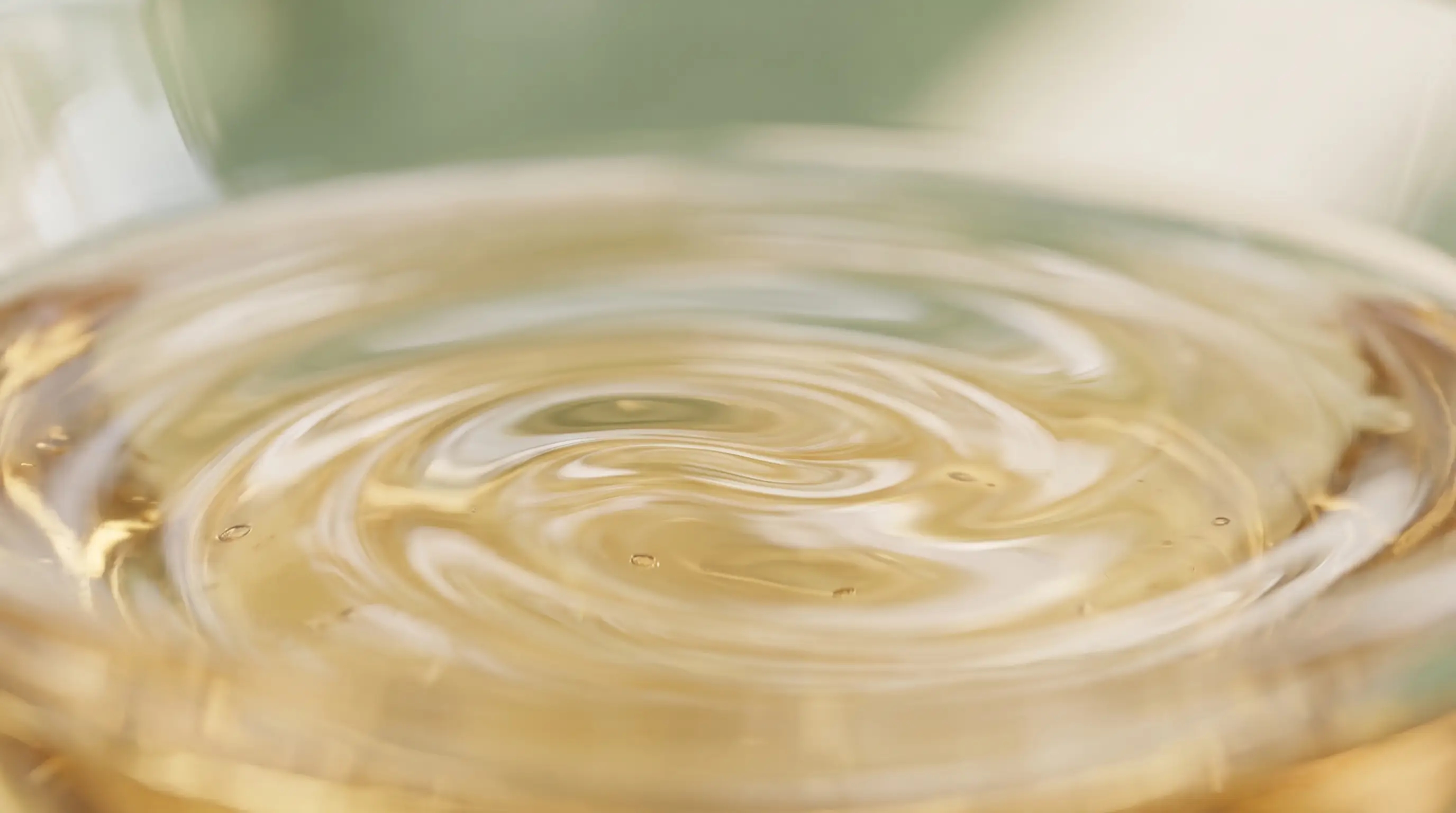
Oil can be especially nice after bath time, when used on slightly damp skin. It helps soften skin and helps hold comfort in. Many families also like oil because it turns after-bath care into a slower, more connected routine.
Safest does not always mean one texture over another. It usually means choosing the simplest version of the type of product your baby actually needs.
Newborn skin deserves an especially gentle start.
That does not mean you need to panic about every product. It just means you do not need to rush into a big routine. In the first few weeks, simple is usually best.
If you are using something new on newborn skin, start with a small amount first. Patch test when possible. And if your baby has very reactive skin, visible irritation, or a skin condition you are unsure about, ask your pediatrician before adding more.
Patch testing sounds more technical than it is.
Apply a very small amount of product to one small area of clean, dry skin. Wait 24 hours and watch for redness, bumps, rash, itching, or irritation. If the skin stays calm, you can continue using a small amount as needed.
Patch testing is not dramatic. It is just a smart habit when skin is delicate.
Good baby skincare can help keep skin feeling soft, comfortable, and less dry. It can support the skin barrier and make everyday care feel gentler.
What it cannot do is guarantee perfect skin, fix every rash, or replace medical care when something is truly wrong.
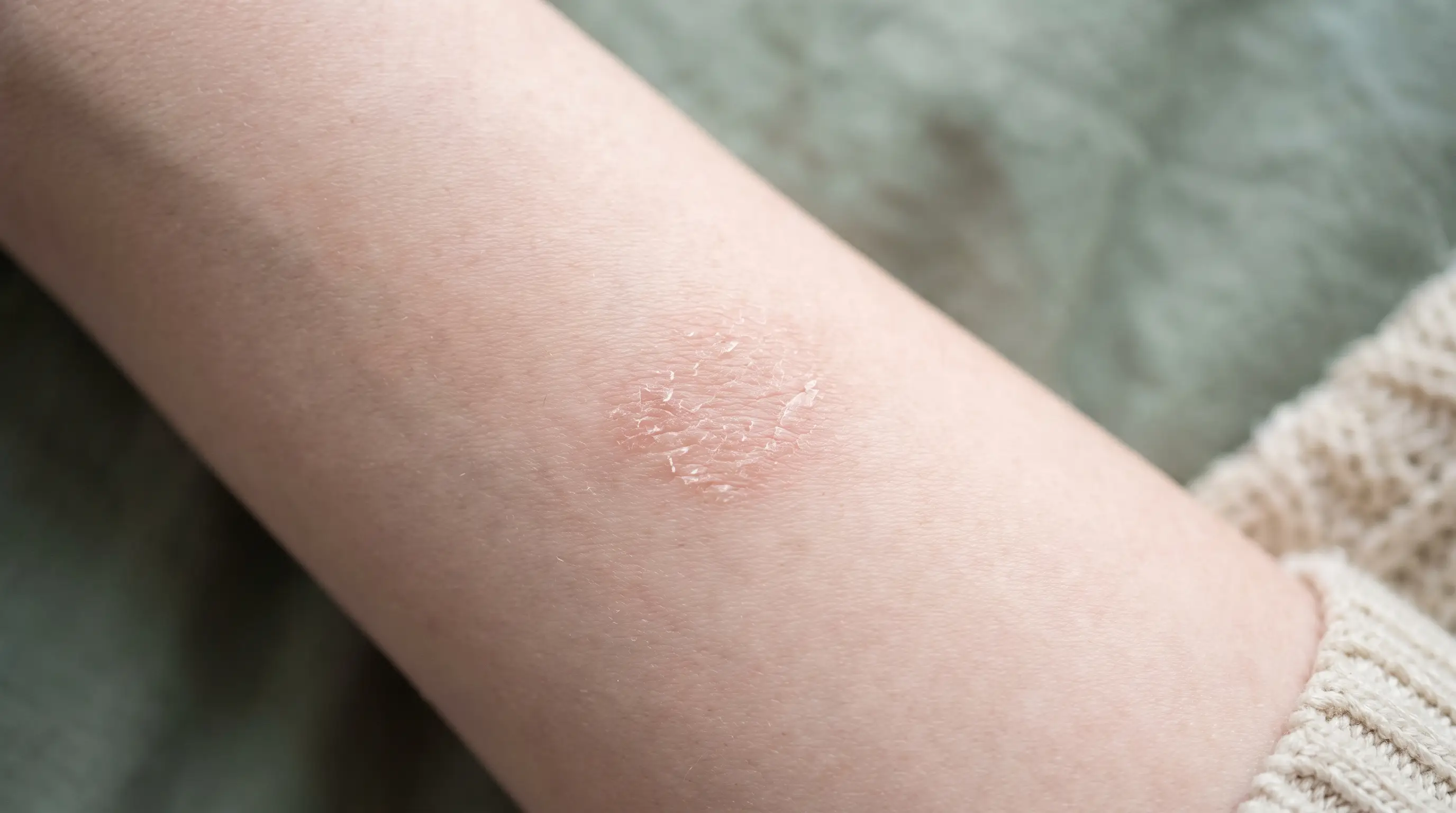
If your baby has broken skin, weeping rash, signs of infection, or eczema that seems severe or persistent, that is a moment for medical guidance, not just better skincare.
Skinhug Pure Green Nourishing Seed Oil was created for families who want a simple, fragrance-free oil for baby, mama, and everyday family skin. It is made without added fragrance, essential oils, mineral oil, or artificial colorants, and is designed to feel lightweight and comfortable after bath time, during baby massage, or on dry-feeling skin.
For newborns or very reactive skin, we always recommend using a small amount, patch testing first, and checking with your pediatrician if you have concerns.
Safe baby skincare usually does not look dramatic.
It looks like fewer steps.
Gentler formulas.
Less fragrance.
Less guessing.
And products that know when to stop at enough.
That is often what baby skin needs most.
Usually, the safest baby skincare is simple, gentle, fragrance-free, and made for delicate skin.
For many babies, yes. Fragrance-free skincare is often a gentler choice, especially for sensitive or reactive skin.
It depends on the skin and the situation. Lotion, cream, and oil all do different things. The best choice is usually the one that feels simplest and most comfortable for your baby’s skin.
Yes, but keep it minimal. Start with small amounts, patch test when possible, and check with your pediatrician if your baby has very sensitive or irritated skin.
Skinhug works well as a simple after-bath oil, baby massage oil, or lightweight option for dry-feeling skin.

Now available on Shopee, Thaimart, Tiktok and LINE